


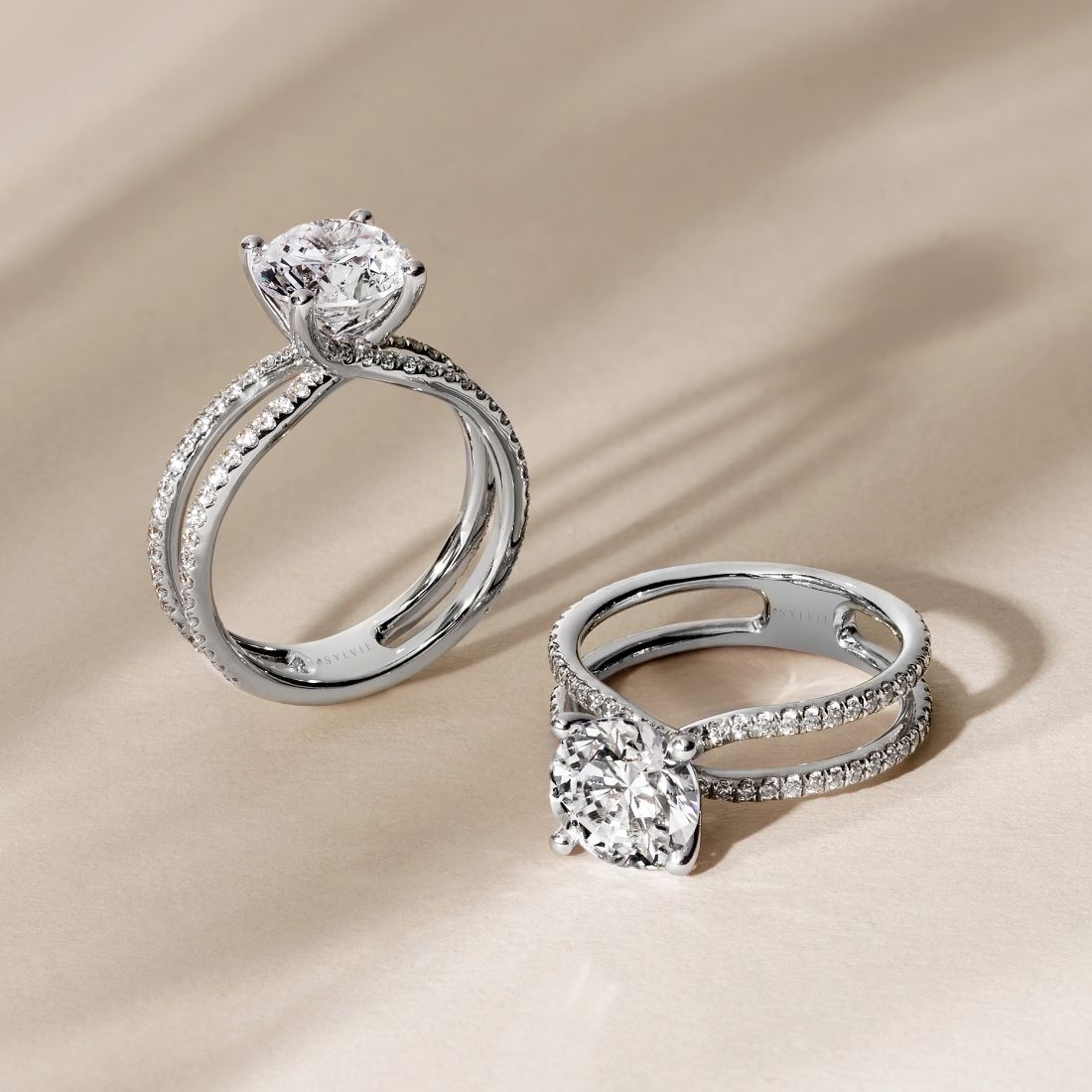
Diamonds have lengthy symbolized love, luxury, and longevity. But with improvements in era, the way we consider diamonds has significantly advanced. In today’s marketplace, terms like lab-grown diamonds, actual diamonds, and man-made diamonds are frequently used interchangeably, leading to confusion among customers. So, what exactly sets them aside—or connects them?
This article takes a deep dive into the world of diamonds to demystify the continuing debate surrounding lab-grown diamonds vs real, guy made diamonds. We’ll explore their origins, physical and chemical residences, environmental implications, and the way they stack up within the eyes of jewelers and consumers alike.
Understanding the Basics
Before we delve into comparisons, it’s crucial to clarify the terminology. Natural diamonds are formed over billions of years underneath the Earth’s floor below great strain and temperature. On the alternative hand, lab-grown diamonds, every now and then known as man-made diamonds, are created in managed laboratory environments the usage of superior technological strategies.
There are two number one methods for growing lab-grown diamonds:
High Pressure High Temperature (HPHT)
Mimics the herbal geological method.
Chemical Vapor Deposition (CVD)
Uses a gasoline chamber to construct diamond layers atom by way of atom.
Despite their synthetic origins, these diamonds are chemically, physically, and optically identical to mined diamonds. In other phrases, they’re real diamonds—just now not fashioned in nature.
Lab-Grown vs Natural Diamonds: Key Differences
1. Origin and Formation
Natural diamonds are forged deep in the Earth’s mantle, taking among 1 to three billion years to form. They are then introduced to the floor via volcanic pastime.
Lab-grown diamonds are produced in a depend of weeks. HPHT diamonds are grown from a tiny diamond seed underneath severe conditions, whilst CVD diamonds start from a carbon-wealthy gas.
Though each bring about actual diamonds, their journey to creation couldn’t be greater different.
2. Environmental Impact
One of the most huge points inside the lab-grown diamonds vs real, guy made diamonds dialogue revolves round sustainability. Traditional diamond mining is understood for its environmental degradation, along with:
– Deforestation
– Soil erosion
– High water and energy consumption
– Displacement of local groups
In contrast, lab-grown diamonds are marketed as a greener alternative. They require a ways less land and water and commonly produce fewer carbon emissions. However, the picture isn’t entirely black and white. Some lab-grown diamond manufacturing approaches, mainly HPHT, are electricity-in depth—mainly if the strength used is not from renewable resources.
3. Cost and Value
Cost is some other area in which the 2 kinds diverge:
Lab-grown diamonds normally price 30–forty% less than their mined counterparts. This price difference makes them an attractive option for finances-aware clients.
Natural diamonds, being rarer, retain better resale and investment cost through the years.
It’s important to observe that the resale marketplace for lab-grown diamonds continues to be growing. While they keep emotional and aesthetic fee, their lengthy-time period monetary cost is more uncertain.
Are Lab-Grown Diamonds “Real”?
This is perhaps the most debated point in conversations approximately lab-grown diamonds vs real, guy made diamonds. Let’s set the document immediately: lab-grown diamonds are real diamonds. The Gemological Institute of America (GIA) and different enterprise our bodies recognize them as actual. They own the equal hardness (10 at the Mohs scale), brilliance, and fireplace as mined diamonds.
However, gemological professionals can distinguish among the two by means of analyzing growth styles, trace elements, and other minute traits using specialised equipment. Retailers are required to reveal the beginning in their diamonds, and reliable jewelers offer certifications declaring whether or not a diamond is lab-created or mined.
The Ethical Perspective
The ethics of diamond sourcing play a crucial position in client selection-making these days. Over the past few a long time, the diamond enterprise has confronted criticism for war diamonds—also known as blood diamonds—which might be mined in battle zones and offered to finance armed warfare.
Although the Kimberley Process became established to save you battle diamonds from getting into the mainstream marketplace, concerns about transparency and labor practices persist. Lab-grown diamonds offer a war-free opportunity, appealing to ethically-minded consumers who wish to avoid potentially dangerous practices.
Durability and Appearance
From a durability point of view, each lab-grown and mined diamonds are similarly resilient. They rating a ten on the Mohs scale, making them best for ordinary wear in engagement earrings and excellent earrings.
Visually, they’re indistinguishable to the naked eye. Jewelers use advanced instruments to inform them aside. Some lab-grown diamonds may show slightly one-of-a-kind inclusion patterns or fluorescence, however these nuances are in large part irrelevant to most customers.
Consumer Preferences and Market Trends
In latest years, patron options have shifted appreciably. Millennials and Gen Z consumers are more likely to pick lab-created diamonds due to worries over sustainability, ethics, and affordability. This has led to fundamental jewelers—which includes Pandora, Brilliant Earth, or even De Beers—providing lab-grown options in their collections.
Meanwhile, some shoppers nevertheless value the subculture and rarity of a herbal diamond, viewing it as a once-in-a-lifetime purchase worth of its higher charge point.
The rings market now displays a more numerous and inclusive technique, supplying clients the freedom to pick primarily based on their values, life-style, and finances.
Choosing What’s Right for You
So, when it comes to lab-grown diamonds vs actual, guy made diamonds, which is the better desire? The answer lies in your non-public priorities.
Choose a lab-grown diamond if:
-
You need a larger stone for a lower fee.
-
Sustainability and ethical sourcing are critical to you.
-
You’re open to modern era and innovation.
Opt for a natural diamond if:
-
You cost rarity and subculture.
-
You’re considering lengthy-term resale or funding fee.
-
You need the symbolic significance of a stone that took billions of years to form.
Ultimately, both types of diamonds can represent love, dedication, and party. It’s now not a question of higher or worse—but of what subjects maximum to you.
Conclusion
The debate around lab-grown diamonds vs real, man made diamonds reflects broader shifts in purchaser focus and technological development. While lab-created stones offer affordability, ethical guarantee, and eco-aware enchantment, natural diamonds retain to keep their reputation as geological marvels steeped in tradition and fee.
Whether you are selecting a stone for an engagement ring or simply exploring your options, being informed empowers you to choose you’ll cherish for years yet to come.
In today’s dynamic rings panorama, there’s room for both herbal and lab-grown brilliance—and that’s a glowing win for anybody.